Audible and Visual DIGITAL Performance notes
A MOUNTAIN OF HOPE (2026), for Orchestra
Duration: 15’ - though longer, if including improvisation
Special sounds and techniques for A Mountain of Hope:
Inhale through nose (m. 1, m. 7 and m. 28) - relevant for all Woodwinds and all Brass
Thorough explanation of the
inhalation through the nose:
Sound of Oyster Shells (m. 57-58, m. 67-68) - relevant for Timp.
Thorough explanations of the
sound of the Oyster Shells:
Creaking sound through closed, but relaxed mouth Mm… (m. 53-54, m. 60-66, m. 82- 89)
- relevant for Ob. 1.2, Cl. 1, Bsn., Cbsn., Tpt. 1.2, Tbn. 1.2, B. Tbn., Vln. 1, Vln. 2, Vla. and Vlc.
Thorough explanation of the
creaking sound Mm…
Creaking sound through closed, but relaxed mouth Mm-a… (m. 85-88) - relevant for Vln. 1, Vln. 2, Vla. and Vlc.
Thorough explanation of the
creaking sound Mm-a…
Exhale with slight pressure: [Ha] as in “harvest” or “harp” (m. 25-26)
- relevant for Ob. 1.2, Cl. 1.2, Bsn., Cbsn., all Brass and Timp. (notation crossed notes)
Thorough explanation of the [Ha] w. pressure.
Inhalation (m. 57-58 + m. 67) - relevant for Vln. 1, Vln. 2 and Vla. (notation square notes)
Inhale: [Ha] as in “harvest” or “harp” (m. 57-58)
Inhale: [Sch] as in “Schubert” or “shadow” (m. 67)
Thorough explanation of the inhalation
of first [Ha] and then [Shc]
Exhale, in a frequency decided by the player: [Ha] as in “harvest” or “harp” (m. 75-100)
- relevant for Ob. 1.2, Cl. 1, Bsn., Cbsn., Timp., Perc. and all Strings (notated as slashes without stem)
Thorough explanation of the sound of [Ha]
and the ongoing exhale through the mouth, not the instrument:
Hand signs for Chapter 1-3 and End of Chapters (m. 75-119) – relevant for Conductor
Explanation of hands signs for Chapter 1-3
as well as for End of Chapters
Sound of Ocean Wind (also called Ocean Drum), example of the sound of the instrument used for inspiring the piece
- relevant for Perc.
Sound of Gongs, example of the sound of the instruments used for inspiring the piece
- relevant for Perc.
If interested you can listen to the sound file from the music program Sibelius, with or without click:
ABOUT THE PIECE
A Mountain of Hope is inspired by hope and the longing of hope. The feeling of being alone or isolated with your hope (hopelessness), in the contrast to feeling united in hope, connected and empowered collectively.
Through hopes and dreams we define, change and create the world of today, now and for the future. Collectively we can move mountains.
It is by daring to share, express and act, that we see, hear, understand and feel our connection in hope and dreams.
This piece is dedicated to everyone who is in the need of feeling connected through shared hope. Together we can become mountains.
Mountains of hope, will and voices; - wings for peace, honesty, dignity and prosperity for all.
The 7 movements of the piece are:
Movement #1 A Cry from Within (m. 1-51)
Movement #2 A Thunderstorm Approaching (including Chapter 1-3 with possible repetitions and improvisation) (m. 52-141)
Movement #3 A Cleansing Rain (m. 53-167)
Movement #4 A Mountain appears gradually through the Clouds (m. 168-225)
Movement #5 A Mountain of Hope (m. 226-240)
Movement #6 Individual Raindrops gather in Roaring Rivers (m. 241-267)
Movement #7 The Force of Hope (m. 268-282)
All movements are played attacca.
An explanation of the vision and parallel layers:
Movement #1 A Cry from Within, is an inner journey of pain, and hopelessness
Movement #2 A Thunderstorm Approaching, is an outer journey of a thunderstorm approaching moving from behind the mountain and gradually coming closer. We can calculate the distance from we see the lightning to we hear the thunder, to figure out how far away the lightning is: For each 3 seconds, the storm is 1 kilometer away. Through this movement, the thunderstorm slowly approaches, the distance between lightning and thunder decreases gradually. A parallel inner layer in this movement is the uncoordinated energy flowing around and inside us. Hope that is lost in small pockets of life and disconnected circles. We do not know that we share a hope unless we, or others around us, articulate our experiences, visions, dreams, worries and values.
Movement #3 A Cleansing Rain, a cleansing rainfall, this relates to both and inner and an outer phenomenon and experience.
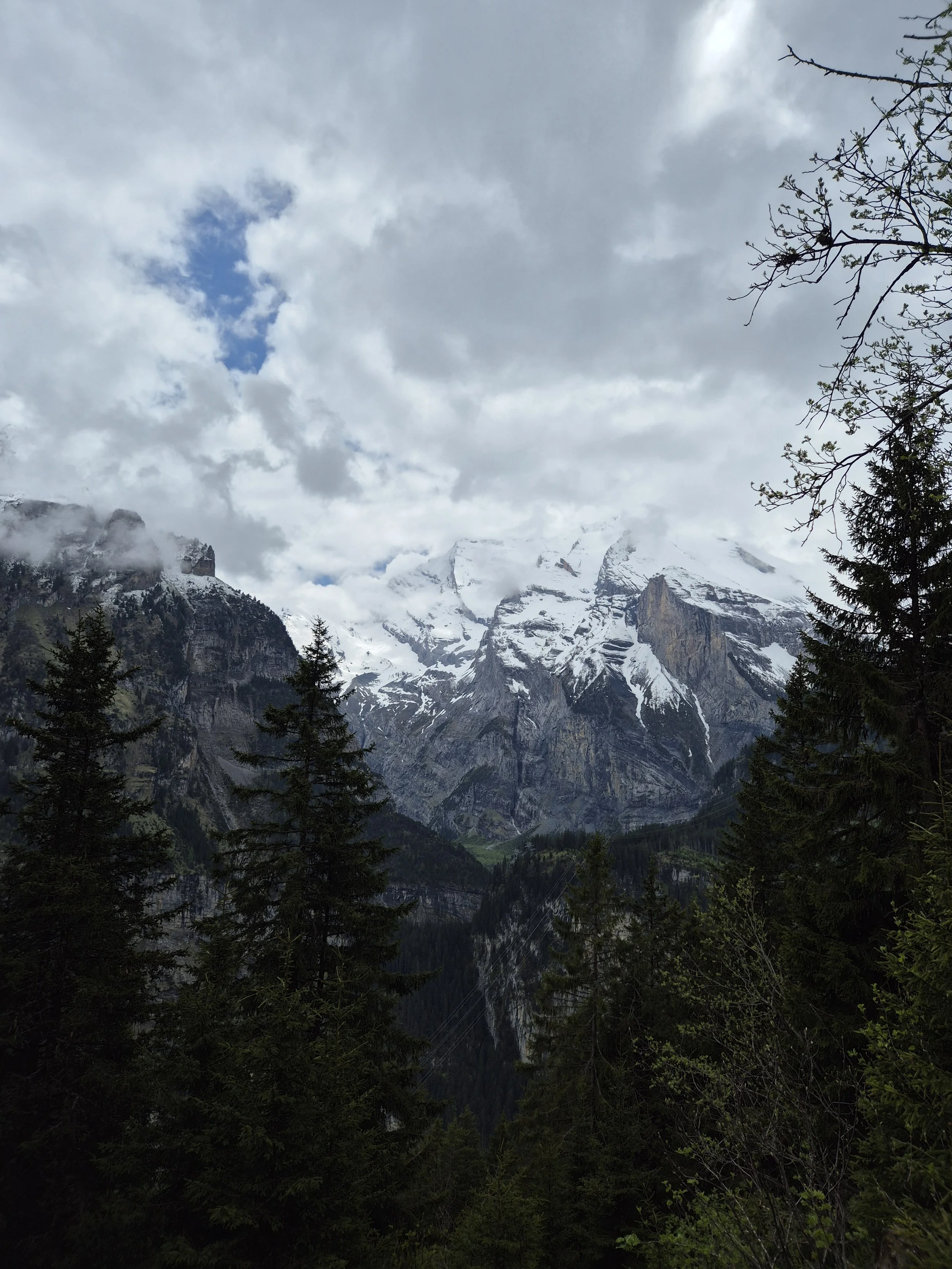
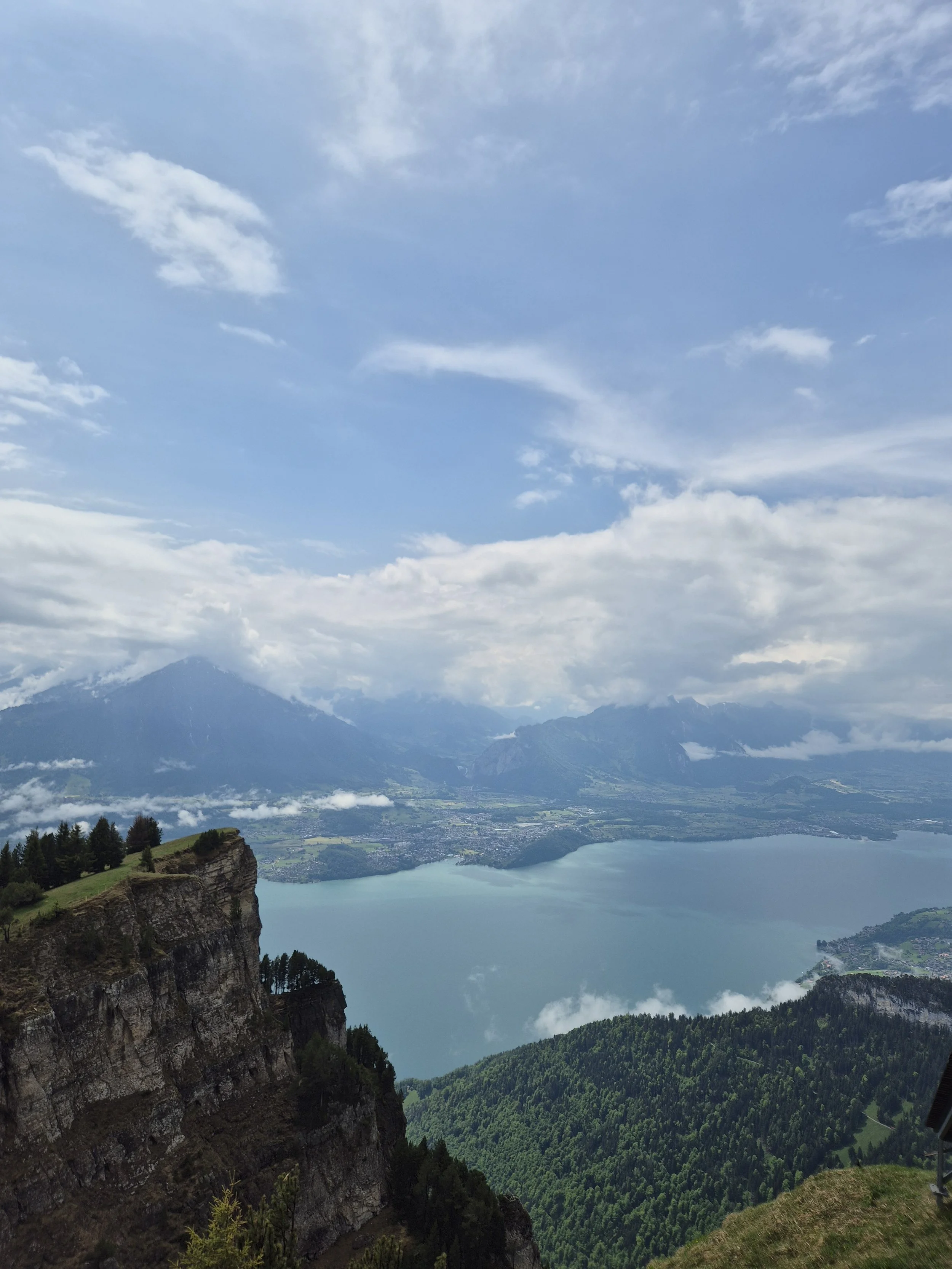
Movement #4 A Mountain appears gradually through the Clouds, gradually the weather clears up, the winds calms down and the clouds surrounding the mountain passes. The mountain reveals its grandness and beauty, the calm, steady, grounded mountain. The nature and weather that can change swiftly, and to extremes, in these high altitudes. Life is not easy, but when it is calm and clear it is breathtakingly beautiful. We end at the top of the mountain and can see far away, with a clear overview, perspective and calmness. This movement can also relate to both an inner and an outer journey and experience.
Movement #5 A Mountain of Hope, it all begins with one person, and from here it grows, the hope and the dreams. Together we can become mountains. Mountains of hope, will and voices; - wings for peace, honesty, dignity, respect and prosperity for all. The melody written for Solo Viola is inspired by the song Krunk composed by Komitas Vardapet (also Gomidas Vartabed) (Sept. 26, 1896, in Kütahya, Ottoman Empire, to Oct. 22, 1935, in Paris, France), an Armenian priest, composer, singer, music ethnologist, music teacher and musicologist, known as the founder of modern Armenian classical music.
Movement #6 Individual Raindrops gather in Roaring Rivers, the individual raindrops gather in rivers running down the mountainside. Also, the rain seeps into cracks of the mountain and inside also create big roaring rivers, that over thousands of years create caves within. The immense power and force of the water gathering is incredible. A parallel layer is the collective voices and hopes that gather one by one, creating a roaring river and force. The movement interpret both the phenomenon of the raindrops becoming great rivers running down outside and inside the mountain, but also the experience of people gathering and collective voices in unison, as well as a personal inner emotional journey.
Movement #7 The Force of Hope, individually and collectively, remembering the shattered individual that we met in the beginning of the piece, the main theme and the cry from within. Connecting the beginning frustration, pain and isolation, to a grand empowering of both the individual and the collective. Together we can reverse the pain and despair to energy and hope, the darkness into light, the hopelessness into a mountain of hope. And there are many mountains of hope out there. We just have to find them, among others by sharing and reaching out, by being open, aware, respectful and responsible, trying to act and live our values, if possible. Somehow it all comes down to listening to oneself and to others.
Best regards, Lil Lacy
February, Copenhagen, Denmark 2026
A MOUNTAIN OF HOPE (2026), 15’+
for Orchestra
Composed by Lil Lacy
Commissioned by Gävle Symphony Orchestra
Dedicated to everyone who is in the need of feeling connected through shared hope.
World premiere by Gävle Symphony Orchestra and chief conductor Christian Reif
March 20, 2026; in Gävle Konserthus, Gävle, Sweden
Published by Edition Wilhelm Hansen
Further Questions
For any further questions or comments about the sounds or playing techniques,
please do not hesitate to contact the composer: lillacymusic@gmail.com
Thank you!